
Planning Corporate Events in Aspen, Vail & Boulder: What Event Planners Need to Know
Colorado mountain destinations create some of the most memorable environments for corporate events in the country. Locations like Aspen, Vail, Beaver Creek, and Boulder offer a completely different atmosphere compared to traditional city venues. Between the scenery, outdoor gathering spaces, and relaxed mountain setting, these destinations naturally create experiences that feel elevated and intentional.
At the same time, mountain events require a different level of planning. Altitude, transportation logistics, weather conditions, staffing coordination, and freight movement all play a much larger role than many planners initially expect.
The goal is not to make mountain events feel complicated. It’s understanding how these environments operate differently so the event experience remains smooth for guests, vendors, and production teams alike.
Why Colorado Mountain Destinations Create Unique Corporate Event Experiences
Corporate events in Aspen, Vail, and Boulder often feel different from traditional ballroom or convention-center environments. Many mountain venues are designed around:
- outdoor terraces
- scenic backdrops
- open gathering spaces
- indoor and outdoor transitions
- relaxed networking environments
Because of this, the event design itself often becomes more experience-driven. Guests are typically there not only for meetings or presentations, but also for the overall atmosphere and destination experience.
This shift changes how planners approach:
- furniture layouts
- networking spaces
- event pacing
- guest comfort
- transportation schedules
- staffing timelines
Mountain events are often less rigid and more focused on creating comfortable environments where people naturally interact.
Altitude Considerations for Corporate Events in Colorado
One of the biggest adjustments for out-of-state attendees is elevation. Denver alone sits higher than many major U.S. cities, but mountain destinations like Aspen and Vail increase that elevation significantly.
For guests arriving from lower elevations, altitude can sometimes lead to:
- dehydration
- fatigue
- headaches
- shortness of breath
- reduced energy levels
This becomes more noticeable during:
- multi-day conferences
- outdoor receptions
- physically demanding schedules
- networking events with long standing periods
- late-night corporate functions
Many planners now build mountain events with a little more flexibility and comfort in mind. Lounge seating areas, hydration stations, softer scheduling transitions, and comfortable networking environments often create a much better guest experience than tightly packed itineraries.
The pacing of the event matters more in mountain destinations than many people initially realize.
Mountain Event Logistics and Transportation Planning
Transportation logistics for mountain events require much more planning than standard city deliveries. Freight routes into Aspen, Vail, Beaver Creek, and surrounding areas often involve:
- steep mountain grades
- winding roads
- changing weather conditions
- restricted loading areas
- limited dock access
- seasonal driving regulations
Travel times can also shift quickly depending on snow, road construction, accidents, or chain requirements.
Because of this, experienced event teams usually allow extra time for:
- freight movement
- installation schedules
- labor coordination
- load-in windows
- load-out timing
Mountain events typically reward preparation and flexibility more than speed.
Freight Timing, Road Conditions & Venue Access
Unlike large convention centers with oversized loading docks and predictable access schedules, mountain venues often have tighter unloading environments and more limited staging areas.
Some venues may require:
- smaller delivery windows
- staged unloading schedules
- shuttle-style transportation
- smaller access vehicles
- longer equipment transport distances from parking areas
These details can significantly impact labor schedules and installation timing if they are not planned properly in advance.
Why Proper Truck Loading Matters for Mountain Deliveries
Freight loading becomes especially important when transporting event furniture and scenic elements through mountain routes. Steep inclines, sharp turns, and road vibration create very different transportation conditions than standard local deliveries.
Proper loading helps:
- protect inventory during transport
- prevent freight shifting during elevation changes
- improve unloading efficiency at mountain venues
- reduce risk during long-distance transportation
This becomes particularly important when transporting:
- LED furniture
- scenic elements
- acrylic bars
- custom fabrication pieces
- activation structures
- fragile event inventory
In many cases, mountain event transportation requires a more strategic loading approach to ensure equipment arrives safely and efficiently.
Choosing the Right Trucks and Equipment for Mountain Venues
Not every truck or trailer configuration performs equally well in mountain environments. Depending on the venue and weather conditions, planners and logistics teams may need to think carefully about:
- trailer size
- maneuverability
- weather-readiness
- liftgate requirements
- unloading conditions
- mountain road access
Some mountain venues simply do not operate like large urban convention centers. Narrow roads, elevation changes, snow conditions, and outdoor unloading environments can all influence transportation planning.
This is one reason why mountain event logistics often require more coordination than planners initially expect.
Protecting Scenic Elements, LED Furniture & Event Inventory
Modern corporate events frequently incorporate:
- scenic installations
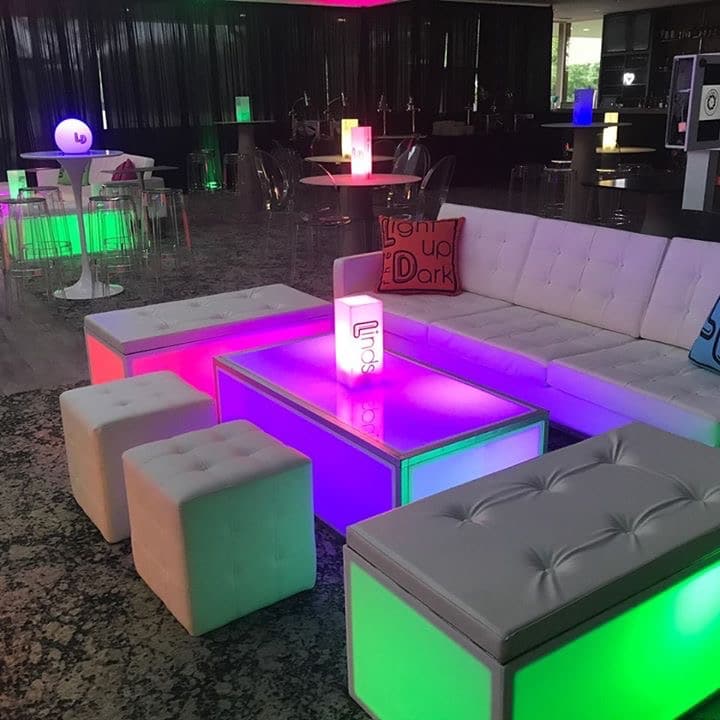
- LED furniture
- custom bars
- branded activation pieces
- modular lounge environments
These elements require additional attention during mountain transportation. Proper packing, securing, and freight balancing become critical for protecting inventory throughout the trip.
At Modern Event Rental Denver, many of our:
- LED furniture
- bars
- scenic elements
- registration counters
- activation structures
are designed and fabricated in-house for corporate events, trade shows, conferences, and experiential environments. Because these pieces are often custom-built, transportation planning and freight protection become an important part of the overall event process.
Staffing Corporate Events in Aspen, Vail & Boulder
Staffing mountain events also requires a different level of planning compared to standard city events.
Crew members may experience:
- altitude fatigue
- weather exposure
- longer setup schedules
- outdoor installations
- extended transportation times
Because of this, successful mountain events often include:
- earlier load-in schedules
- realistic installation pacing
- additional labor coordination
- weather contingency planning
- flexible scheduling windows
Giving crews enough time to work safely and efficiently can have a major impact on the overall execution of the event.
Planning Labor Schedules Around Altitude and Weather
Mountain weather conditions can change quickly, even during seasons that appear predictable. Warm afternoons may turn into cold evenings, and outdoor environments can introduce wind, rain, or temperature swings with very little notice.
This affects:
- installation timing
- outdoor layouts
- scenic placement
- guest comfort
- staffing schedules
- furniture positioning
Many experienced planners build flexibility directly into the event timeline rather than relying on perfect weather conditions.
Why Modern Corporate Events Are Becoming More Experience-Driven
Corporate events have evolved significantly over the past several years. Many companies are moving away from rigid banquet-style layouts and creating environments that feel more open, interactive, and guest-focused.
This shift becomes even more noticeable in mountain destinations where attendees are often looking for:
- meaningful networking opportunities
- relaxed gathering spaces
- memorable experiences
- visually engaging environments
As a result, many events now incorporate:
- modern lounge furniture
- LED environments
- flexible seating layouts
- activation spaces
- scenic installations
- conversational networking areas
The environment itself becomes part of the event experience rather than simply a backdrop.
Lounge Layouts, Networking Spaces & Guest Comfort
One of the biggest trends in corporate event planning is the move toward lounge-style networking environments. These layouts encourage:
- longer conversations
- better traffic flow
- more relaxed guest interaction
- comfortable networking experiences
In mountain destinations especially, guests often respond well to environments that feel warm, open, and less formal than traditional conference setups.
Final Thoughts on Planning Corporate Events in Colorado Mountain Destinations
Hosting corporate events in Aspen, Vail, Boulder, and other Colorado mountain destinations requires more than simply transporting furniture into a scenic venue. Altitude, freight logistics, staffing, weather, transportation planning, and guest comfort all play a larger role in the success of the event.
At the same time, these locations create some of the most memorable corporate event experiences available anywhere in the country. With thoughtful planning and realistic logistics coordination, mountain events can combine stunning environments with highly functional and engaging guest experiences.
The most successful mountain events balance both sides of the process — operational planning and guest experience — to create environments that feel seamless, comfortable, and memorable for everyone involved.
FAQ
What should event planners consider when hosting corporate events in Aspen or Vail?
Corporate events in Aspen and Vail require additional planning around altitude, transportation logistics, weather conditions, staffing schedules, and freight movement. Mountain venues often have different access requirements and environmental conditions compared to traditional city venues.
Can altitude affect guests attending corporate events in Colorado mountain destinations?
Yes. Guests traveling from lower elevations may experience fatigue, dehydration, headaches, or shortness of breath, especially during multi-day conferences or outdoor events. Many planners incorporate hydration stations, lounge areas, and more relaxed scheduling to improve guest comfort.
Why is transportation planning important for mountain events?
Mountain destinations often involve steep roads, weather-sensitive routes, restricted loading areas, and longer travel times. Proper freight scheduling and transportation planning help ensure event furniture, scenic elements, and production equipment arrive safely and on time.
Do mountain venues require different freight loading strategies?
Yes. Mountain transportation conditions can create additional stress on freight during transport. Proper truck loading, weight distribution, and securing of inventory are important for protecting event furniture, LED elements, scenic pieces, and custom fabrication during mountain deliveries.
How does weather impact corporate events in Colorado mountain locations?
Weather in mountain destinations can change quickly and may affect outdoor layouts, staffing schedules, scenic installations, and guest comfort. Many successful mountain events include flexible planning for wind, rain, temperature swings, and seasonal conditions.
Why are lounge-style layouts popular for mountain corporate events?
Lounge-style layouts create more relaxed and comfortable networking environments that fit naturally within mountain venues. These setups encourage conversation, guest interaction, and open event flow while complementing scenic and experience-driven event spaces.
Are mountain corporate events more logistics-heavy than city events?
In many cases, yes. Mountain events often require additional coordination involving transportation routes, labor timing, freight access, weather planning, and installation schedules compared to standard convention-center or downtown hotel events.
What types of corporate events are commonly hosted in Aspen, Vail, and Boulder?
These destinations frequently host:
- corporate retreats
- leadership summits
- conferences
- networking events
- experiential activations
- incentive trips
- executive meetings
- outdoor brand experiences
because of their unique scenery, resort environments, and destination appeal.